Why Migrate to Australia
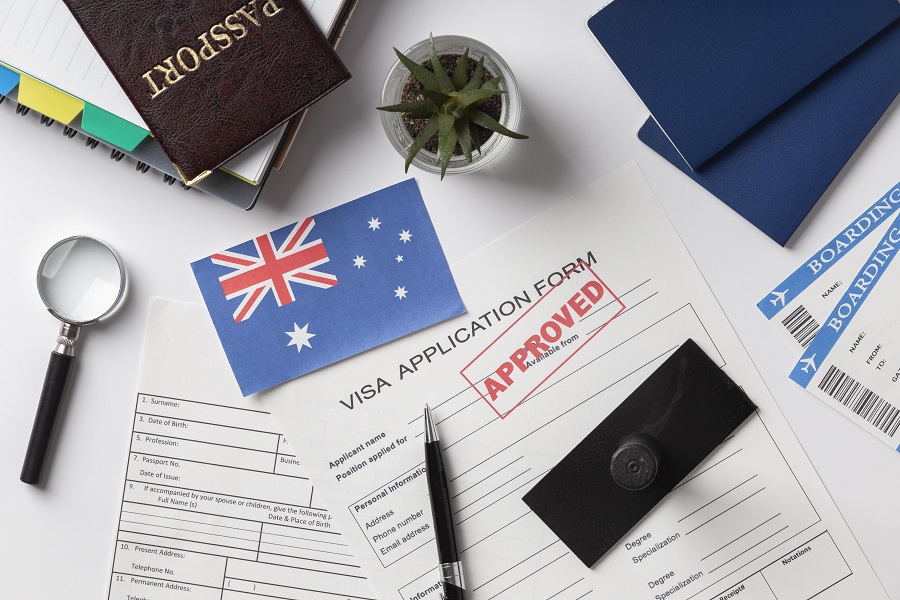
You're weighing a big decision, and Australia keeps coming up for a reason. It's not hype — it's consistent. Strong wages, clear visa pathways, public healthcare, and a job market that's actively looking for skilled workers.
Before you dismiss it as too complicated or too far, there's a lot about this country's migration system that might change your thinking.
Why Australia Keeps Winning Over Skilled Migrants
Australia is a leading destination for skilled migrants due to a combination of labour demand, structured visa programs, and living conditions. There's sustained demand for qualified workers in sectors such as healthcare, information and communications technology (ICT), engineering, and education. The migration framework includes employer-sponsored visas and state-nominated options such as the subclass 190 visa, which can provide a pathway to permanent residency for eligible applicants.
Economic conditions in Australia are generally stable, with relatively high average wages by international standards and established systems for workplace regulation. Typical full-time work patterns are around 38 hours per week under the National Employment Standards, with a legal minimum of four weeks (20 working days) paid annual leave for full-time employees. Many skilled visas allow accompanying partners to work, which can support dual-income households.
Public services include a universal healthcare system (Medicare), a regulated school system, and public infrastructure in major cities. Australian universities are well represented in international rankings, which can be relevant for migrants seeking further study or education opportunities for their children. Major cities such as Sydney, Melbourne, and Brisbane are culturally diverse, with a significant proportion of residents born overseas.
Australia’s climate varies by region but generally offers many sunny days per year, particularly in cities such as Perth and Brisbane. Combined, these factors make Australia an attractive option for many skilled professionals, although individual outcomes depend on specific qualifications, occupation, location, and personal circumstances.
For those seeking guidance through the legal and application process, resources such as australianmigrationlawyers.co.uk can provide additional insights into visa options and requirements.
The Standard of Living Australia Actually Delivers
Australia offers a comparatively high standard of living for many residents. Eligible permanent residents and citizens can access Medicare, a public healthcare system that provides free or subsidised medical services, including treatment in public hospitals and rebates for many GP visits and prescriptions. Full-time employees generally work an average of about 36–38 hours per week, with a legal minimum of four weeks of paid annual leave, in addition to public holidays that vary by state but are typically around 10 days per year.
The country has a well-developed higher education sector, with several universities that rank highly in international comparisons, and a broadly reliable infrastructure network covering transport, energy, and telecommunications. Australia’s economy is relatively stable and high-income, which contributes to higher average wages compared with many countries, though living costs, especially housing in major cities, can also be substantial.
Many regions receive around 3,000 hours of sunshine annually, supporting outdoor lifestyles, and the national life expectancy is approximately 82–83 years. These indicators collectively suggest that Australia provides a generally strong standard of living, though individual experiences will vary depending on location, occupation, and personal circumstances.
Australia's Job Market Is Growing: Here's Where the Demand Is
Australia’s job market is expanding in several key sectors, which is relevant for anyone considering long-term work and migration options. Current data and government skills lists indicate sustained demand for professionals in nursing, occupational therapy, teaching, software development, and cybersecurity, where ongoing workforce shortages are evident. Public and private investment in infrastructure is also supporting stable demand for engineers and a range of skilled trades.
In healthcare, many roles offer structured career progression and access to formal professional development programs, often supported by employers and professional bodies. In the technology sector, roles typically involve working with contemporary tools and systems and may be based in workplaces that draw on a culturally diverse workforce.
A number of these occupations appear on state and territory skilled occupation lists and may be eligible for state‑nominated visa options, such as the Skilled Nominated (subclass 190) visa, which can provide a pathway to permanent residency for applicants who meet the relevant criteria and points requirements. Applicants should consult current Department of Home Affairs and state government guidance, as visa settings and eligibility lists are updated regularly.
In-Demand Roles: Teaching, Healthcare, ICT, and Engineering in Australia
Several sectors in Australia's job market are experiencing persistent skill shortages and offer structured career pathways, including teaching, healthcare, information and communications technology (ICT), and engineering.
For secondary school teachers, positions in comparatively well-resourced public schools, such as Monbulk College and Ingleburn High School, can provide access to established professional networks and ongoing development opportunities.
In healthcare, roles such as occupational therapist and mental health nurse are in sustained demand, with defined progression routes into senior clinical or supervisory positions and, in many cases, clearer pathways to permanent residency for eligible migrants under current visa settings.
In ICT, many roles now incorporate hybrid work arrangements, exposure to contemporary digital tools and platforms, and collaboration within culturally diverse teams, reflecting the global nature of the industry.
Engineering demand is being driven in part by government infrastructure programs, including transport, energy, and construction projects, which support both technical specialisation and advancement into higher‑level or management roles.
Across these four sectors, workers typically have access to competitive remuneration relative to national averages and employer-supported training or professional development, which can contribute to long-term career stability and progression.
Daily Life Outdoors: What Living in Australia Really Looks Like
Australia’s climate and urban design make outdoor activities a routine part of daily life for many residents. Large parts of the country experience high levels of sunshine—often around 3,000 hours per year in some regions—and average temperatures near 25°C in warmer areas, which supports year-round use of outdoor spaces. In metropolitan centres such as Sydney, Brisbane, and Perth, harbourside parks, waterfront paths, and coastal walkways are commonly used for commuting, exercise, and leisure.
Working conditions also contribute to this lifestyle. Full-time employees typically work around 38 hours per week under Australian employment standards, and many receive at least four weeks of paid annual leave plus public holidays, allowing regular time for recreation. As a result, activities like walking, running, cycling, and visiting beaches or national parks are integrated into ordinary weekly routines for a significant proportion of the population.
Common pastimes include surfing, bushwalking, and informal team sports such as cricket in local parks. While participation varies by region, age, and socioeconomic factors, outdoor recreation is a well-established and accessible aspect of everyday life in much of Australia.
How Australia Protects Your Family, Not Just Your Career
Outdoor spaces and flexible working hours are only one aspect of life in Australia. The country also has a range of policies and systems designed to support family health, finances, and long‑term stability. Through Medicare, eligible residents and their families can access free public hospital care and subsidised medical services, which reduces out‑of‑pocket healthcare costs. Partner and dependent child visa options allow immediate family members to live, work, and study in Australia, subject to meeting visa conditions and eligibility criteria.
Government measures such as Paid Parental Leave and Family Tax Benefit are intended to ease the financial impact of raising children, while free or low‑cost public schooling provides education without substantial tuition fees. Minimum wage legislation and anti‑discrimination laws help protect household income and workplace rights. In addition, various skilled visa categories may offer pathways to permanent residency that can include eligible family members, providing a more secure long‑term status in the country.
Visa Pathways That Lead to Permanent Residency in Australia
Australia offers several structured visa pathways that may lead to permanent residency, depending on your skills, employment situation, and family circumstances.
Skilled migrants can apply through points-tested visas such as subclasses 189, 190, or 491. State or territory nomination under subclasses 190 and 491 can improve eligibility, particularly in occupations that are in demand locally.
For applicants with an Australian employer, the Temporary Skill Shortage visa (subclass 482) can, in some cases, provide a pathway to permanent residency through the Employer Nomination Scheme (subclass 186), subject to meeting occupation, salary, and work-experience requirements.
Graduates of Australian institutions may use the Temporary Graduate visa (subclass 485) to gain local work experience, which can strengthen future skilled or employer-sponsored visa applications.
Family-related pathways are available to partners of Australian citizens, permanent residents, or eligible New Zealand citizens.
Onshore applicants typically use the 820 (temporary) / 801 (permanent) partner visa pathway, while offshore applicants use the 309 (temporary) / 100 (permanent) pathway. Both streams generally grant work rights while the permanent stage of the application is being processed.
Specific eligibility criteria, processing times, and policy settings change periodically, so applicants should refer to current Department of Home Affairs guidance or seek professional migration advice before applying.
What Migrants Who Made the Move Say About Australia
Hearing directly from people who've already moved to Australia can help clarify what day‑to‑day life is like and what challenges and benefits migrants actually experience.
Cynthia Reyes Medrano, who traveled through most Australian states, observed that many residents maintain a relatively modest lifestyle and make use of practical government supports, such as public healthcare and family benefits, which can help with basic living costs.
Teacher Clara Li reports that schools tend to be well resourced, with access to modern facilities, and that students are generally engaged and inquisitive. She also notes that partner‑visa holders can usually access full work rights, which can be an important factor for dual‑income households.
Healthcare professionals such as Shahina Shaikh and Sonia Branigan describe consistent demand for skills in areas like nursing and allied health, along with structured career pathways that make promotion criteria relatively clear. This can include defined competency frameworks and seniority levels.
Families like that of Diana Yanez Aguilar often refer to the availability of public beaches, parks, and other outdoor spaces as a key reason for remaining in Australia, as these amenities support regular recreational activities at relatively low cost.
Migrants in technology and engineering roles frequently mention access to hybrid work arrangements, exposure to contemporary tools and systems, and comparatively rapid progression in growing sectors, especially in major cities. However, outcomes can vary by region, employer, and specific occupation, so individual experiences may differ from these examples.
How to Start Your Australia Migration Process Today
Starting the Australia migration process involves a series of structured steps you can begin immediately:
- Review visa options Visit the Department of Home Affairs website (homeaffairs.gov.au) to identify which visa categories you may be eligible for. Common pathways include skilled visas, employer-sponsored visas, and family or partner visas.
Each has specific eligibility criteria, document requirements, and processing times.
- Check skills and qualifications For skilled migration, confirm whether your occupation is on the relevant skilled occupation list and identify the appropriate assessing authority (e.g., VETASSESS, AHPRA, or another designated body).
Review their guidelines to understand what evidence of qualifications and experience is required.
- Undertake skills assessment Prepare and submit your skills assessment application to the relevant authority. This usually involves providing certified copies of qualifications, employment references, and sometimes detailed position descriptions.
A positive skills assessment is typically mandatory before you can proceed with certain skilled visa subclasses.
- Meet English language requirements If your visa type requires English testing, book and complete an approved test such as IELTS, PTE Academic, or TOEFL iBT.
Check the minimum scores required for your visa subclass on the Home Affairs website, as these can differ between visa types.
- Submit an Expression of Interest (EOI) For points-tested skilled visas, create a SkillSelect profile and lodge an Expression of Interest.
You'll need details of your skills assessment, work history, qualifications, and English test results. Your points score will determine your competitiveness for an invitation to apply.
- Organise documentation early Begin collecting required documents in advance, such as:
- Valid passport
- Police clearances for each country where you have lived for the specified periods
- Health examinations (as directed by Home Affairs)
- Academic transcripts and certificates
- Detailed employment references with roles, duties, and dates
Ensuring documents are accurate, consistent, and, where required, officially translated can reduce delays.
- Plan your budget Review all costs associated with the process, including:
- Visa application charges
- Skills assessment fees
- English test fees
- Medical examinations and police checks
- Translation or certification costs
- Professional fees if you use a migration agent
Having a clear budget helps you understand the overall financial commitment and plan the sequence of steps.
- Consider professional advice If your case is complex or you're uncertain about eligibility, you may consult a registered migration agent (listed with the Office of the Migration Agents Registration Authority, OMARA).
A qualified agent can review your circumstances, clarify visa options, check points calculations, and help minimise errors in your application. This is optional but can be useful for applicants with non-standard backgrounds or previous visa issues.
Conclusion
Australia isn't just a destination—it's a decision that can reshape your entire future. You'll find stable work, world-class healthcare, strong family support, and a clear path to permanent residency. Whether you're chasing career growth or a better quality of life, Australia's systems are built to back you up. Don't wait for the perfect moment. Start your migration journey today and build the life you've been working toward.